Signs Your Skincare Routine Is Damaging Your Skin
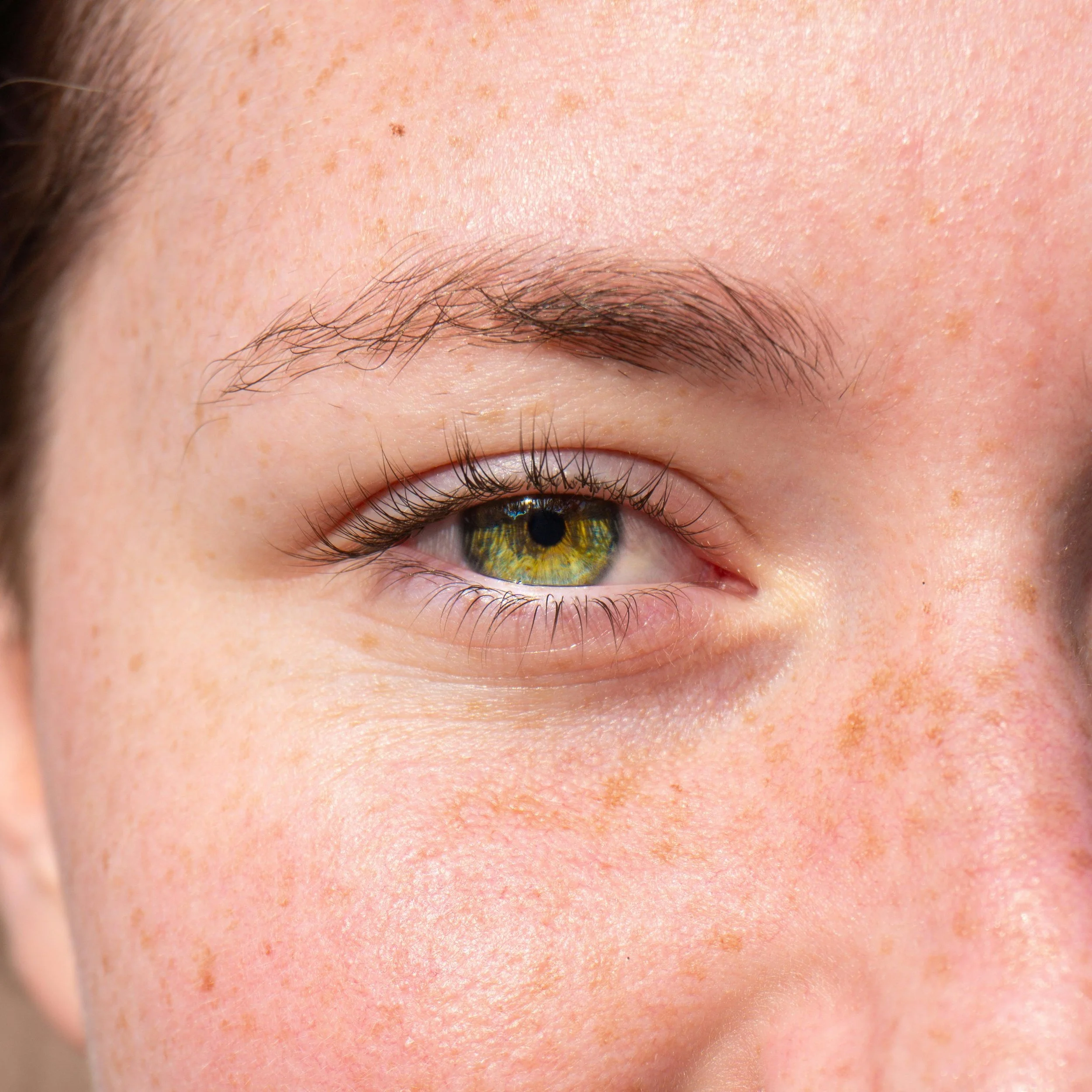
The skincare industry trains people to think more product equals more progress. That is garbage advice when your face is already irritated. Some of the clearest damaged skin barrier symptoms are caused by routine overload: burning after cleanser, stinging after moisturizer, persistent redness, sudden flaking, and breakouts that seem to appear at the same time as dryness. If you are asking “why my skincare burns my skin,” the answer is usually not that the product is “working.” The answer is that your skin is irritated. [31]
Burning and stinging are warning signs
AAD notes that sensitive skin may sting or burn after product use and warns that exfoliation done the wrong way can damage skin and increase redness or acne breakouts. A mild tingle from certain actives is not the same as consistent burning. If your moisturizer, serum, or sunscreen suddenly feels sharp, hot, or painful, your skin is telling you it has lost tolerance. Ignore that and your reactive skin will usually punish you harder. [13]
Redness, peeling, and tightness mean the routine is too aggressive
A strong routine can create the exact problems it claims to solve. Over-cleansing, harsh scrubs, frequent acids, strong retinoids, and fragranced formulas can all strip the skin and increase water loss. NHS guidance on irritant contact dermatitis lists soaps, detergents, perfumes, preservatives, and repeated exposure to water as common irritants. If those everyday triggers can inflame skin, imagine what happens when you combine them with exfoliants and “actives” every night. [32]
Breakouts do not always mean you need stronger products
This is where people wreck their faces. They see irritation plus pimples and assume they need a harsher acne product, when sometimes they need over exfoliated skin treatment instead. AAD specifically says improper exfoliation can increase redness and acne breakouts. DermNet also notes that many acne treatments cause dryness in the first few weeks. So if your skin is breaking out while also peeling and burning, the fix might be less attack and more barrier support. [33]
The fastest fix is subtraction
The best sensitive skin routine during a flare is brutally simple: gentle cleanse, moisturize, sunscreen if tolerated, nothing else unless medically necessary. If a product causes a reaction, AAD says to wash it off, stop using it, and use a cool compress or petroleum jelly for relief. Do that before you start shopping for another miracle serum. Most skincare mistakes are not about missing one perfect ingredient. They are about refusing to stop what is already damaging your skin. [34]
Watch the recovery window
If your skin improves within a week or two of simplifying, routine overload was likely the problem. If it does not, or the rash is painful, swollen, cracked, or spreading, you may be outside the normal “too many products” zone and into dermatitis, eczema, or allergy territory. That is where guesswork stops being resourceful and starts being stupid. [35]