How to Calm Irritated Skin Naturally
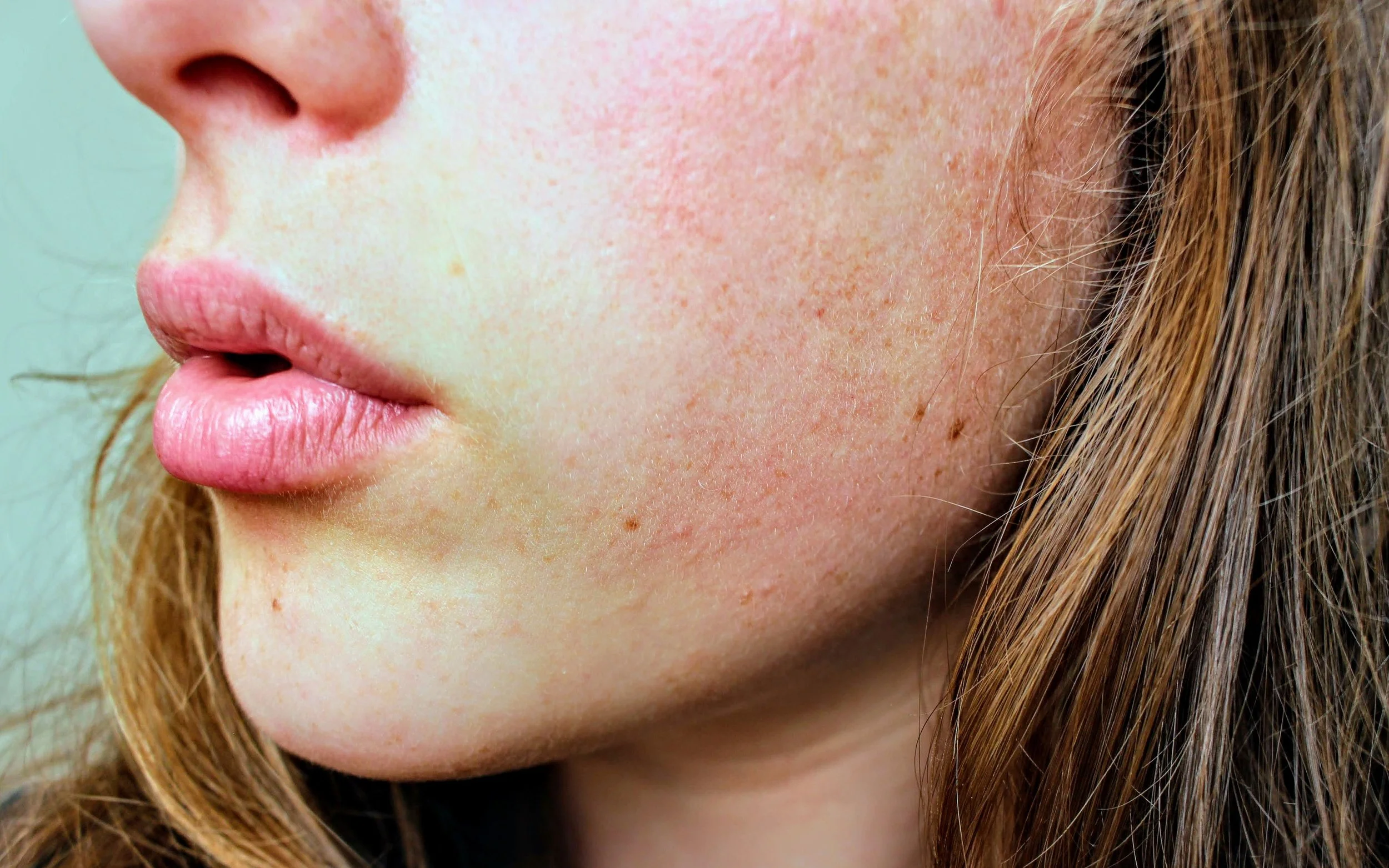
When skin is irritated, the instinct is usually to fix it with something stronger. That instinct is wrong more often than people want to admit. The first rule for how to calm irritated skin is to stop feeding the irritation. That means backing away from scrubs, acids, aggressive acne products, fragranced formulas, and anything that gives you that “it burns but maybe it’s working” feeling. If your skin is red, tight, hot, or stingy, your best move is to reduce friction and protect the barrier. [37]
Remove the obvious triggers first
Many common irritants are not exotic. NHS lists soaps, detergents, perfumes, preservatives, repeated water exposure, and even low humidity as common triggers in irritated skin and contact dermatitis. So if you want skincare for irritated skin, do the boring basics first: lukewarm water, gentle cleanser, no scrubbing, and no experimenting during a flare. You cannot calm skin while you are still provoking it. [38]
Use low-risk soothing steps
AAD advises that if a skincare product causes a reaction, you should wash it off, stop using it, and apply a cool compress or petroleum jelly if needed. That alone will solve a surprising number of flare-ups. For dry irritated skin, emollients are even more useful. NHS explains that emollients soothe and hydrate the skin, cover it with a protective film, and can be applied whenever skin feels dry or tight. That is a real calming skincare routine, not a social-media performance. [39]
Natural does not mean harsh DIY
People searching “how to calm irritated skin naturally” often end up one click away from lemon juice, essential oils, or other nonsense that makes irritation worse. If you want a lower-risk natural-adjacent option, colloidal oatmeal has far better support. Research and dermatology reviews note that colloidal oatmeal has anti-inflammatory and protective effects and is recognized for temporary skin protection and itch relief. That makes much more sense than kitchen chemistry on an already angry face. [40]
Reduce redness on face by rebuilding tolerance
If your goal is to reduce redness on face, focus on recovery, not concealment. Use moisturizer after cleansing, avoid long hot showers, and keep your routine short enough that you can track what your skin tolerates. A soothing serum for sensitive skin can be useful later, but not if you are stacking serum after serum while the barrier is compromised. Start with cleanser, moisturizer, and sunscreen if tolerated. Add one thing at a time only after the skin has settled. [41]
Know when home care is not enough
If irritation turns into swelling, oozing, spreading rash, crusting, or pain, stop pretending this is a casual skincare problem. Those signs can point to dermatitis, eczema flare, infection, or allergy. Natural relief has a place. It just is not a substitute for medical assessment when your skin is clearly escalating. [42]